How Does Semaglutide Work? A Plain Answer
Semaglutide copies a gut hormone and eases hunger
How does Semaglutide work? The medicine stands in for a gut-made hormone that appears after eating. It lasts about a week; GLP-1, your own version, fades within minutes.
When blood sugar is high, Semaglutide helps your pancreas send insulin into the blood [12]. It helps your brain register that you’ve eaten enough and also slows the stomach. Together, those changes can ease hunger while lowering blood sugar.
In one study of rats and mice, food intake fell even though energy use stayed level [4]. That work suggests one reason for weight loss, but can’t prove each step in you. No dose or care advice appears here; your doctor still guides your care.
Semaglutide uses the same body signal as a gut hormone
Semaglutide acts in the same places as GLP-1, its model gut hormone [12]. In your pancreas, that action sends out insulin when blood sugar goes up, with a weaker push when blood sugar is already low [12].
The medicine also lowers a second hormone whose job is to raise blood sugar [12]. These effects work together: insulin rises when needed, while the hormone with the opposite job falls. For you, the effect follows your blood sugar instead of pushing insulin equally all day.
Two changes keep Semaglutide in your body for a week
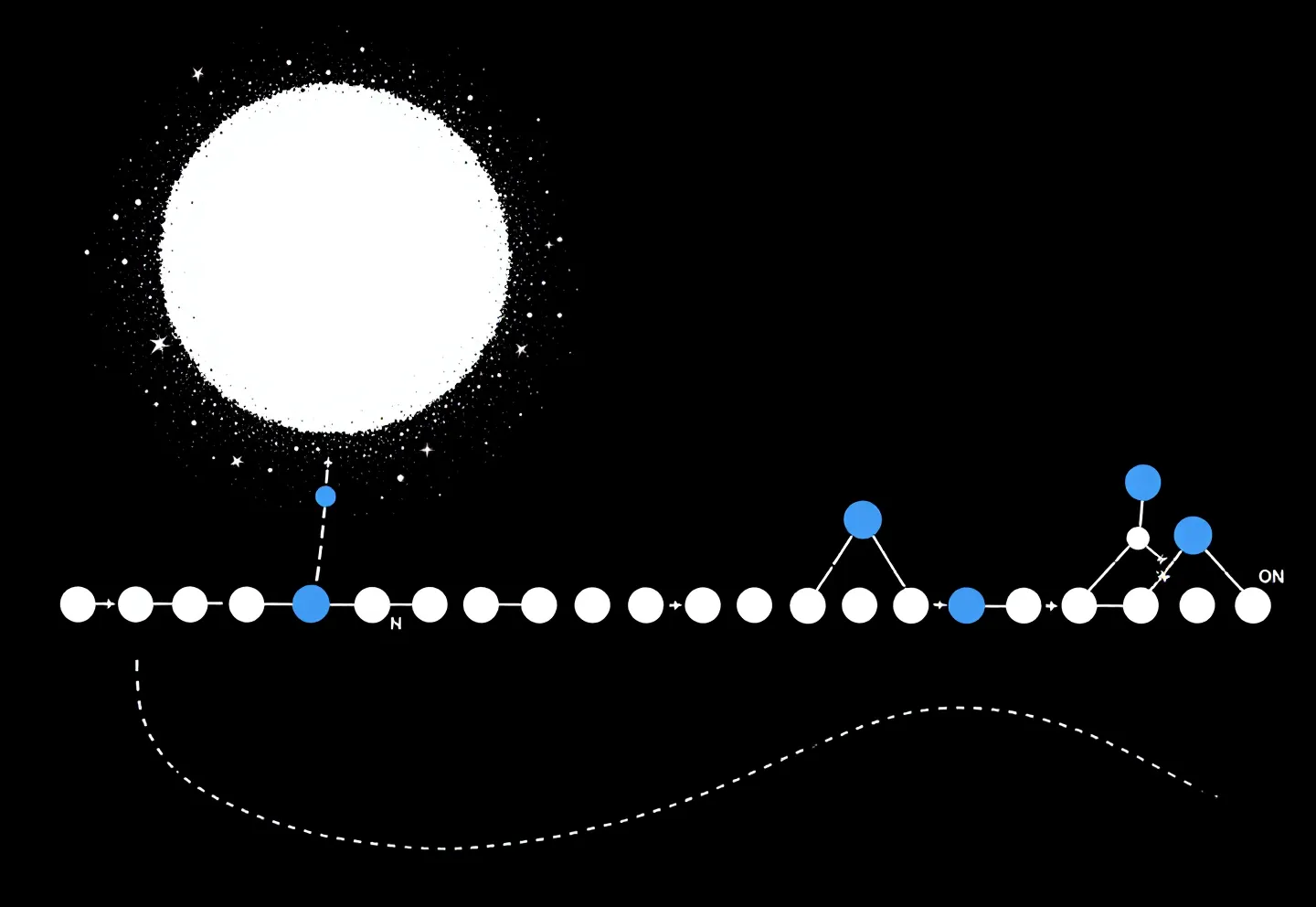
Your own GLP-1, the gut hormone, lasts only two minutes because DPP-4 soon breaks it down. DPP-4 is a body substance, and one Semaglutide part marked as number 8 was changed to slow that process [12].
A fat-like part lets one of your main blood proteins carry the medicine, which your kidneys then remove at a slower pace. Those two changes keep the medicine working for about one week [12], allowing a weekly shot.
Animals ate less without burning more calories
This finding came from rats and mice, not people. Semaglutide reached parts of their brains that control hunger [4]. They changed their food choices and ate smaller amounts, while their calorie use stayed level.
Put plainly, the animals seemed less hungry without burning more calories [4]. The medicine strengthened signs of fullness and weakened signs of hunger in their brains [12]. This may help explain weight loss, but animal work can’t prove the full chain in you.
A slower stomach can bring fullness and discomfort
Semaglutide slows the passage of food out of your stomach [12]. Because food stays longer, you may become full sooner and keep that feeling longer. That delay may bring nausea, bloating, burping, or heartburn too [5].
One effect can therefore help fullness while also upsetting your stomach, though it doesn’t explain every stomach problem. The effects page separates findings from personal reports.
The gut hormone may also affect cravings, heart, and kidneys
Some people say alcohol and other cravings fade, but their reports aren’t proof. The research covered here did not test that claim [12]. Some brain areas shape the urge to seek food or drink. GLP-1, the gut hormone, acts there, though studies haven’t shown that it caused fewer cravings.
GLP-1 also works in the heart and kidneys [12]. That could help explain benefits seen in large studies without proving the cause. A broad review says the hormone’s effects and the medicine’s long stay in blood may work together [12].
Study results match some of the expected body changes
A diabetes study supported the blood sugar idea. Semaglutide 2.0 mg lowered a blood test showing long-term blood sugar more than 1.0 mg [20]. Studies in people supported the hunger idea as well.
STEP 1, a weight study, recorded average loss of 14.9% [1]. That agrees with animal work in which less food, not more calorie burning, drove the change [4]. Semaglutide improved blood sugar and waist size too, while lowering blood pressure, fats carried in blood, and signs of swelling [10].
Those changes might help the heart, and a large study then found 20% fewer major heart problems [3]. The results fit together without proving every step or showing which change matters most.
The way Semaglutide works also explains some drawbacks
When the stomach slows, fullness may come earlier, along with nausea or bloating [5]. Staying in the body longer allows weekly shots and means Semaglutide can remain for about five weeks after treatment ends [12][17].
Because the medicine stays so long, timing matters when someone plans a pregnancy. The effect isn’t lasting either: hunger and weight often return after use ends [19]. The effects page helps you weigh the benefit against those costs.